Online reservations
How to Set Online Reservation Rules Your Restaurant Can Actually Honor
A focused guide to setting online booking rules around real service capacity instead of accepting reservations the dining room cannot support.
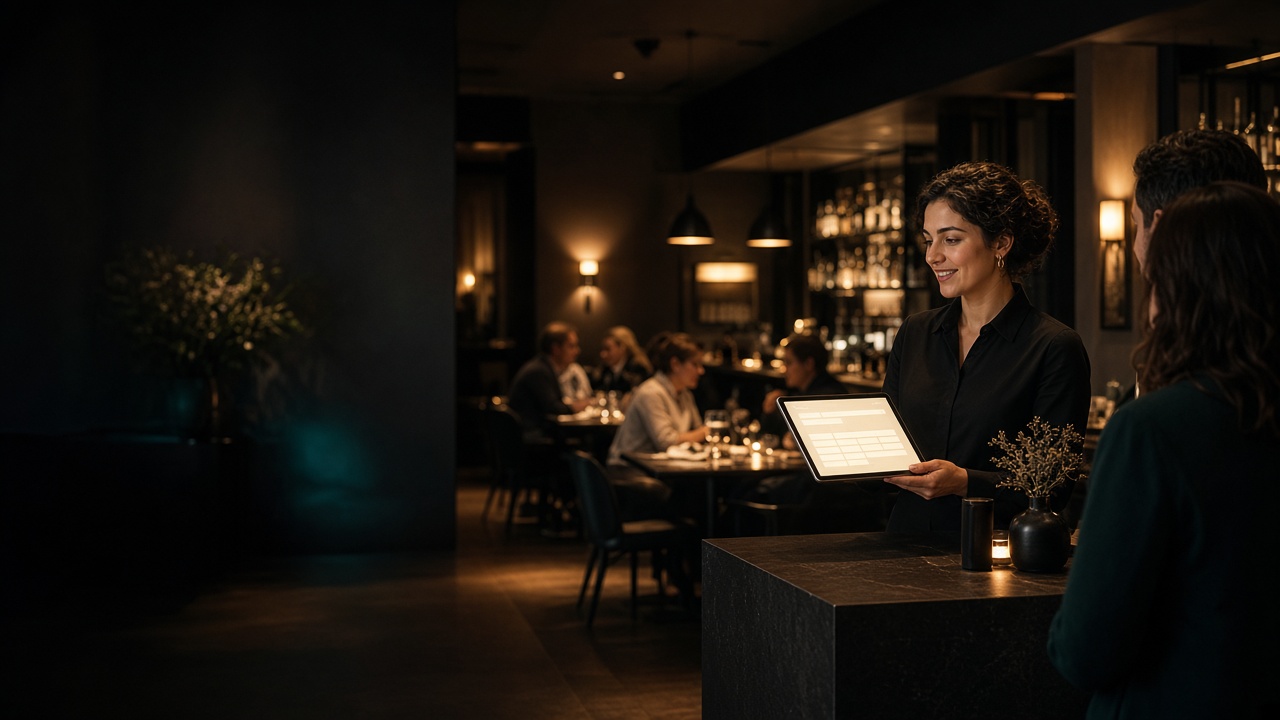
Online reservations create value only when the restaurant can honor the promise made to the guest. A polished booking widget cannot compensate for service hours that are wrong, party sizes the room cannot support, or bookings that never reach the people preparing the floor.
The best setup begins with operating rules. Technology should enforce those rules clearly and make exceptions visible to the team.
Map the service the restaurant really offers
Start with the days and times when online reservations should be available. These may differ from posted business hours.
A restaurant might open at 11:00 a.m. but accept dinner reservations only after 4:00 p.m. Friday fish fry may require different controls from a quiet Tuesday. A private event, holiday, or seasonal patio may change capacity without changing normal hours.
Document each service window by day. Then ask:
- When can the first party reasonably be seated?
- When should the last online reservation arrive?
- Are there shifts that should remain phone-only?
- Are holiday or event hours exceptions?
- Does the restaurant operate in the correct local timezone?
Publishing accurate windows is more important than displaying the maximum number of possible times.
Choose a lead time that protects preparation
Minimum lead time controls how close to arrival a guest can book online. A short lead time is convenient, but it can create surprises if nobody is watching incoming reservations during service.
Choose the value based on the team’s actual notification and preparation process. If the host stand reliably sees new bookings immediately, a shorter window may work. If reservations are reviewed between shifts, the restaurant needs more time.
Treat lead time as an operating decision rather than a marketing preference. Review it after several busy services and adjust if staff repeatedly miss late bookings.
Set a useful booking horizon
The booking horizon determines how far into the future a guest can reserve. A very long horizon may expose dates before holiday hours, staffing, or private events are known. A very short horizon can frustrate guests planning an occasion.
Independent restaurants often benefit from a horizon that matches how far ahead they can confidently publish service availability. The correct number depends on the operation; consistency matters more than copying another restaurant’s policy.
When a future date becomes unavailable, close it promptly and contact affected guests directly if bookings already exist.
Put large parties on a deliberate path
The maximum online party size should reflect tables, staffing, kitchen load, and the restaurant’s process for groups. It is not simply the largest number of chairs that can fit together.
When a requested party exceeds the online limit, give the guest a clear next step, such as calling the restaurant. A phone conversation can cover deposits, limited menus, timing, accessibility, split checks, and space needs that do not fit a basic booking form.
This is not a failure of online booking. It is a useful boundary between a standard reservation and an event-like request.
Keep online and phone reservations together
Guests do not care which channel created the booking. The floor plan and kitchen experience the total demand.
Staff should record phone reservations in the same operational view used for online requests. At minimum, keep:
- Guest name
- Email or phone contact
- Date and arrival time
- Party size
- Status
- Notes that staff genuinely need for service
Avoid collecting sensitive information that is not necessary. Access to guest details should be limited to authorized team members.
Make confirmation status visible
A confirmation email tells the guest that the request reached the restaurant. A reminder provides another chance to notice an incorrect date or cancel plans that changed.
Use secure confirm and cancel links so the guest does not need to create an account. Staff should be able to distinguish pending, confirmed, seated, completed, cancelled, and no-show reservations without reading a chain of messages.
Statuses are most valuable when everyone uses them consistently. Decide who updates them and at what point in service.
Add safeguards without punishing real guests
Public forms attract automated traffic. A booking flow can reduce garbage submissions with layered controls:
- Signed or expiring form tokens
- A hidden honeypot field
- Request velocity limits
- Cloudflare Turnstile when configured
- Validation of dates, party sizes, and contact fields
No single control eliminates abuse. The goal is to make automation expensive while keeping the form straightforward for a real guest.
Test the complete guest journey
Before publishing the widget, make a reservation from a phone using an address the team can access.
Confirm that:
- Available times match the intended service window.
- The restaurant receives the booking.
- The guest receives the expected confirmation.
- Confirm and cancel links work.
- Staff can find and update the reservation.
- The local timezone is correct.
- Oversized parties receive clear instructions.
Repeat the test after changing booking rules or website embedding.
Review capacity with the people working the shift
Reservation settings should not be permanent. Ask hosts, managers, and kitchen leadership where the promise and the service diverged. If a particular window regularly creates a rush the room cannot absorb, the booking policy needs refinement.
Toasted Apps reservations provide a focused widget, service rules, list and calendar management, confirmations, and reminders for independent restaurants.
Start a free trial and test the complete booking journey before sharing it with guests.
This article was prepared with AI assistance and reviewed against Toasted Apps product facts and first-hand restaurant operating experience.