Online reservations
Setting Reservation Lead Time and Booking Horizon Around Real Service Constraints
Lead time controls how soon guests can book, while the booking horizon limits how far ahead they can reserve. Set both around what each shift can reliably prepare for and honor.
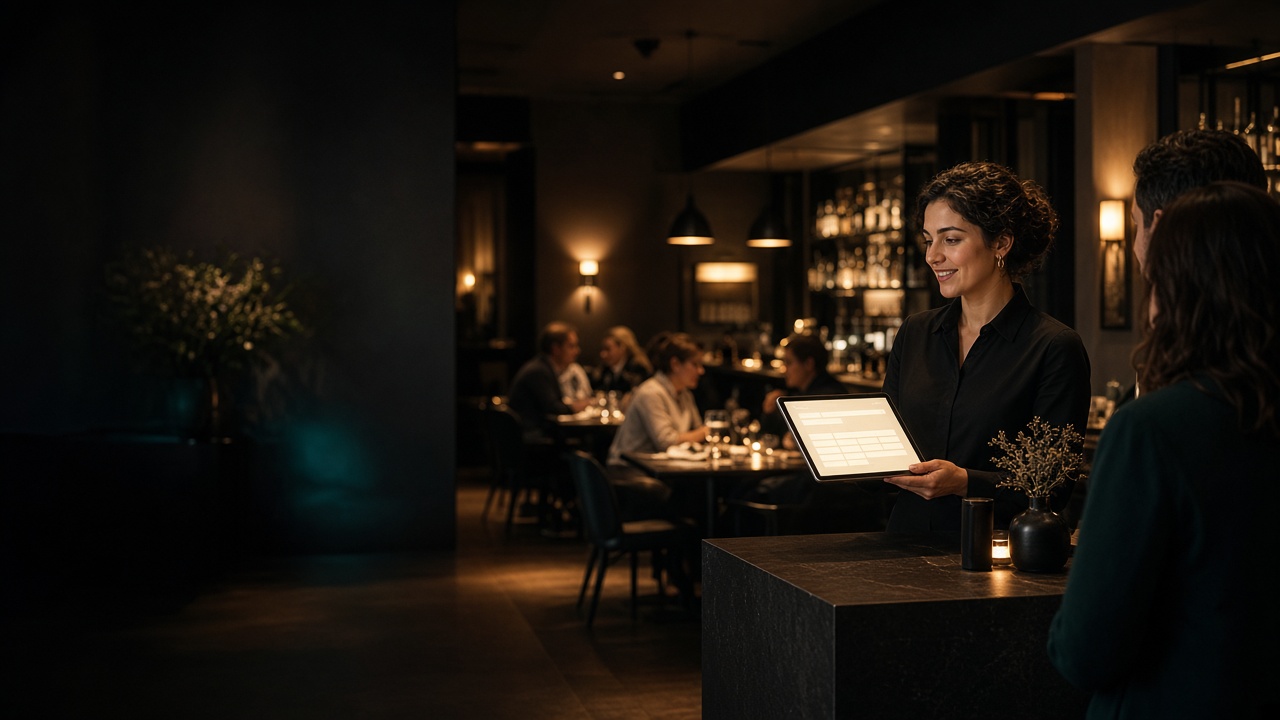
A reservation can be technically available and still be operationally difficult to honor. A party booked ten minutes before arrival may surprise the host, kitchen, or server section. A table booked months ahead may create a different problem if service hours, staffing, or special-event plans are not settled yet.
Lead time and booking horizon define the useful window between those two extremes. The goal is not to maximize advance bookings at any cost. It is to offer as much access as your team can consistently support.
Lead time and booking horizon solve different problems
Reservation lead time is the minimum interval between the current time and the earliest reservation a guest can make online.
If the lead time is 60 minutes, someone checking at 5:00 p.m. would not be able to reserve online for 5:30 p.m. The first available time would be 6:00 p.m. or later, assuming the restaurant has availability.
Booking horizon is how far into the future guests can reserve.
If the horizon is 30 days, guests can book dates within the next 30 days but not dates beyond that window.
These settings should work alongside your service hours and party limits. Toasted Apps reservations support service hours, lead time, booking horizon, party limits, list and calendar management, confirmations, and reminders.
Start with the operating constraint, not a round number
It is tempting to choose a familiar setting such as 30 minutes of lead time or a 90-day horizon. A better starting point is the constraint your team actually faces.
Review these questions with the people who run the door and the line:
- How quickly does a new online reservation become visible to the person managing the shift?
- How much notice does the host need to adjust the table plan?
- Does the kitchen need advance warning for larger parties?
- How much time is needed to reset or combine tables?
- Are sections and server assignments settled before service?
- How far ahead are service hours, closures, and private events dependable?
- How often do seasonal schedules change?
The answers point toward a practical booking window. A restaurant with a host continuously watching reservations may be able to handle shorter notice than one where a manager checks the list between other duties. Neither setup is wrong; the settings need to reflect the workflow.
Choose a lead time your shift can absorb
Short lead times give guests more opportunities to reserve. They can also turn an online booking into a surprise arrival if nobody has time to react.
Longer lead times create more preparation room, but they may block guests who would otherwise reserve shortly before dining. Some of those guests may call, walk in, or choose another plan.
Use this process to choose an initial setting.
1. Map how a reservation reaches the floor
Write down the actual sequence:
- A guest makes a reservation.
- The booking appears in the reservation list or calendar.
- A team member notices it.
- The host updates the table plan.
- The floor and kitchen receive any necessary notice.
- The table is ready when the party arrives.
Estimate how long that sequence takes during a calm period and during the busiest part of service. Base the lead time on the busy version, not the ideal version.
2. Check whether the setting works at peak volume
A lead time that feels comfortable at 4:30 p.m. may fail at 7:00 p.m. Review periods when:
- The host is seating several parties at once.
- Servers are being double-seated.
- The kitchen is approaching its practical capacity.
- Tables are being combined for larger groups.
- Managers are occupied with guest recovery or staffing issues.
If the team cannot reliably notice and prepare for a booking during those periods, the lead time is probably too short for the current workflow.
3. Keep online reservations and walk-ins distinct
A longer online lead time does not necessarily mean the dining room must reject every last-minute guest. It means the restaurant is not promising a specific online reservation before the team has time to process it.
Walk-ins can still be handled according to the conditions at the door. This distinction protects the reservation promise without forcing the host to make every table available online at the last minute.
Set a horizon only as far as your calendar is dependable
A long booking horizon can help guests plan celebrations, group meals, and busy dates. It also creates more future commitments for the restaurant to protect.
Before opening several months of inventory, ask whether you can reliably define:
- Service days and hours
- Planned closures
- Holiday schedules
- Private events or buyouts
- Seasonal changes
- Space or patio availability
- Party-size limits
If those details are uncertain, a shorter horizon may reduce the risk of accepting reservations that later require manual changes. The tradeoff is that guests planning farther ahead will need to return later.
A useful rule is to open only the period your team can maintain confidently. Extend the horizon when the calendar becomes more predictable, not simply because a larger number sounds more accommodating.
Use hypothetical scenarios to test the settings
Before settling on a configuration, walk through realistic situations with the manager or host responsible for reservations.
Scenario A: A booking arrives during the rush
At 6:20 p.m., a guest attempts to reserve for 6:45 p.m.
Ask:
- Will someone see the booking promptly?
- Can the table plan be updated?
- Could the reservation create an unexpected seating cluster?
- Is 25 minutes enough to prepare without disrupting guests already waiting?
If the answer depends on someone happening to check the system, the lead time may be too short.
Scenario B: A guest plans a future celebration
A guest wants to reserve for a date two months away.
Ask:
- Are service hours confirmed for that date?
- Could a holiday schedule or private event affect availability?
- Is the relevant dining area certain to be open?
- Who is responsible for maintaining future calendar changes?
If several answers are unknown, opening that date may create more follow-up work than useful certainty.
Scenario C: A large party books with little notice
A party near your online size limit selects the earliest available time.
Ask:
- Does the lead time allow tables to be combined?
- Will the kitchen and floor receive enough notice?
- Does the same lead time make sense for this party as it does for a two-top?
Even when your system uses a single lead-time setting, this exercise can reveal whether party limits need adjustment or whether larger groups require a separate staff review process.
Review the whole reservation window together
Lead time and booking horizon should not be treated as isolated controls. Review the complete online offer:
- Service hours: Are guests booking only when the restaurant intends to seat reservations?
- Lead time: Can the current shift process the booking before arrival?
- Booking horizon: Is the future calendar dependable for the entire open period?
- Party limits: Can bookable party sizes be seated without special arrangements?
- Availability: Does the reservation plan preserve enough flexibility for expected walk-ins and normal table variation?
- Confirmations and reminders: Are guests receiving the information needed to arrive prepared?
A generous horizon cannot fix incorrect service hours. A long lead time cannot fix a party limit the dining room cannot accommodate. Treat the settings as one operating policy.
Run a short review after changing the window
Do not judge a new setting from one unusually quiet or busy shift. Review it across several representative services.
Ask hosts and managers to note:
- Reservations that appeared too close to arrival
- Guests who called because a near-term time was unavailable online
- Future bookings affected by schedule changes
- Dates opened before operating plans were settled
- Larger parties that required unplanned table changes
- Periods when the team could have accepted more reservations safely
The purpose is not to eliminate every exception. It is to identify repeated friction that a setting change could prevent.
Signs your lead time may need adjustment
Consider increasing lead time when:
- Hosts repeatedly discover bookings shortly before arrival.
- New reservations disrupt an already active seating plan.
- The floor or kitchen does not receive enough notice.
- Managers frequently intervene to make promised tables work.
Consider decreasing lead time when:
- The team consistently has capacity for nearer-term reservations.
- Guests frequently call for times that could be handled but are blocked online.
- The host is actively monitoring bookings throughout service.
- The current buffer is longer than the actual preparation workflow requires.
Signs your horizon may need adjustment
Consider shortening the horizon when:
- Future service hours change frequently.
- Closures or events repeatedly require reservation changes.
- The team cannot keep distant calendar availability current.
- Guests are booking dates before operating plans are dependable.
Consider extending the horizon when:
- Service schedules are stable farther in advance.
- Guests regularly ask for dates just beyond the current window.
- The team has a clear process for entering closures and calendar changes.
- Future reservations can be accepted without creating uncertain commitments.
A shift-ready implementation checklist
Before publishing a new reservation window, confirm:
- Service hours match the periods you intend to offer online.
- Lead time covers the busiest realistic response workflow.
- The booking horizon ends before the calendar becomes uncertain.
- Party limits reflect tables the restaurant can reliably seat.
- Hosts and managers know the current rules.
- Someone owns future calendar updates.
- The team knows how online reservations and walk-ins will be balanced.
- The settings have a scheduled review date.
Build a window your team can keep
The best lead time is not the shortest possible interval. The best horizon is not the farthest date the software will allow. Both should reflect the promises your restaurant can consistently keep during real service.
Start with the busiest shift and the least certain part of your future calendar. Set a cautious window, observe where it causes friction, and adjust one element at a time. That creates a reservation policy guests can use and the team can honor.
Operators who want to configure these controls can review Toasted Apps reservations or start a trial. Toasted Apps is independent and is not affiliated with or endorsed by Toast, Inc.
Sources and further reading
This article was prepared with AI assistance and reviewed against Toasted Apps product facts and first-hand restaurant operating experience.